Thursday, March 24, 2016
Thursday, October 1, 2015
Herba Lobellae Chinensis: 半边莲
Lobelia chinensis, commonly known as the Chinese Lobelia, Herba Lobellae Chinensis, aze mushiro, and mizo kakushi, is a species of flowering plant in the family Campanulaceae. It is one of the 50 fundamental herbs used in traditional Chinese medicine, where it has the name (Chinese: 半边莲)
This is a small perennial herb that grows in tangled clumps from 15 centimetres (5.9 in) to 35 centimetres (14 in) long. It has a long, thin, branching stem that is olive green and green-brown crumpled narrow leaves. It has little to no odor and a sweet and pungent taste. When harvesting herbs for medical use, the ones with the greenest stems and yellower roots are preferred.

Wednesday, September 30, 2015
Tuesday, September 15, 2015
Lotus & Water Lily
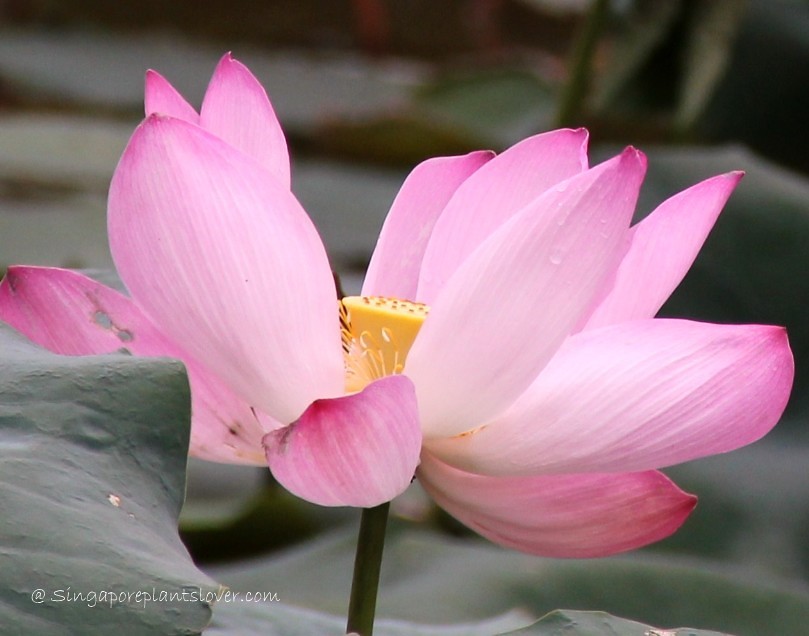
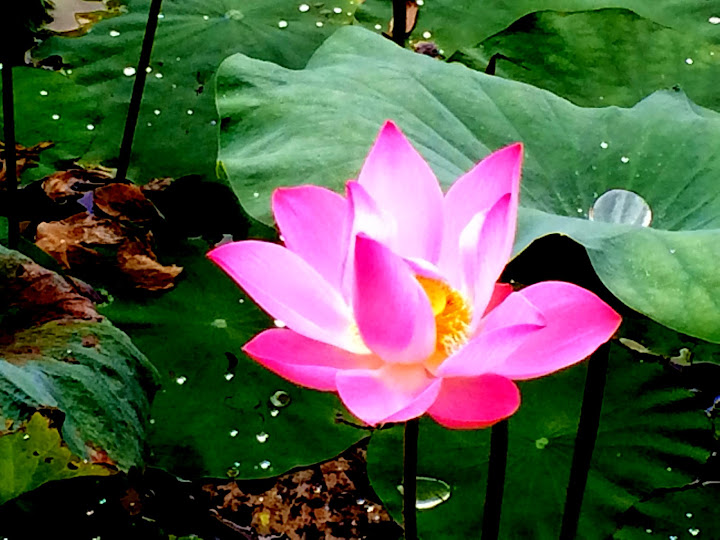
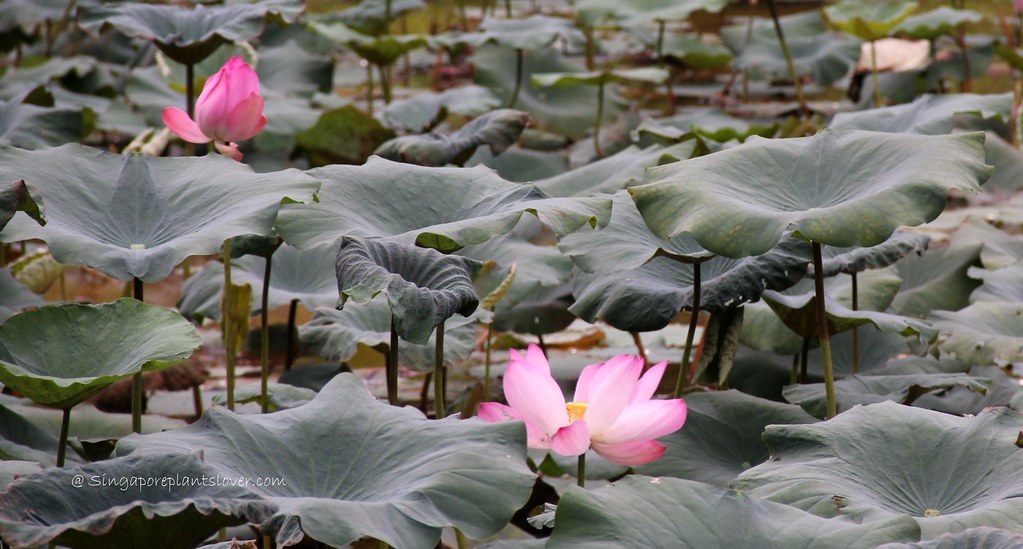
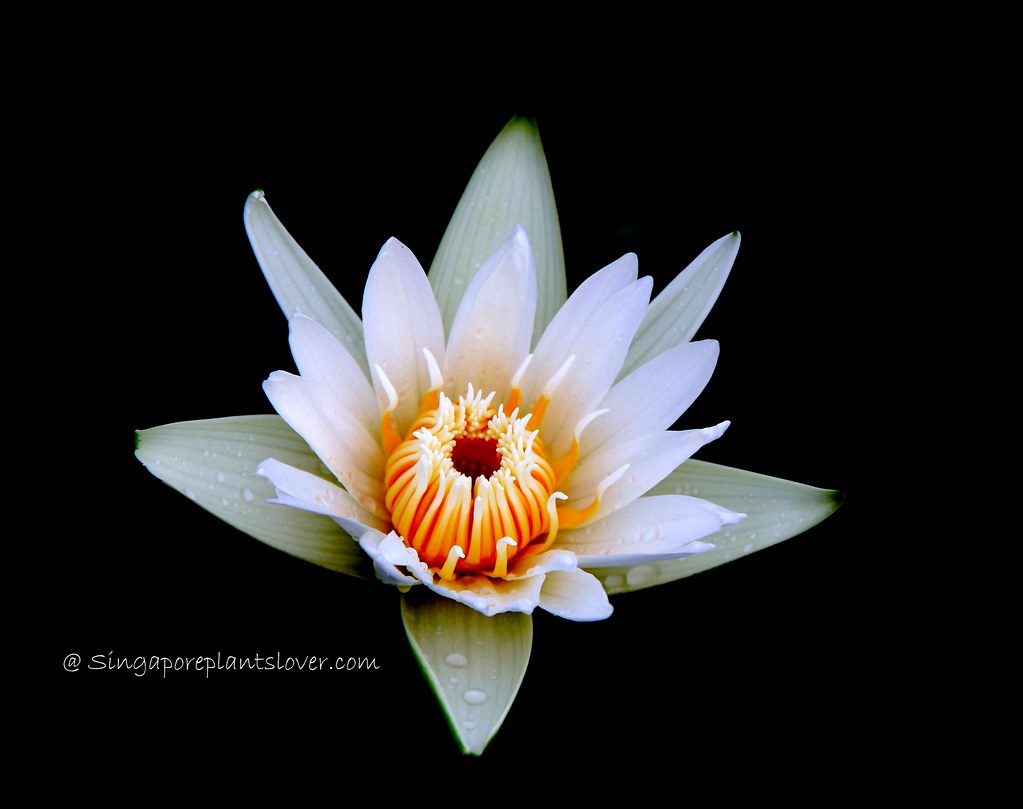
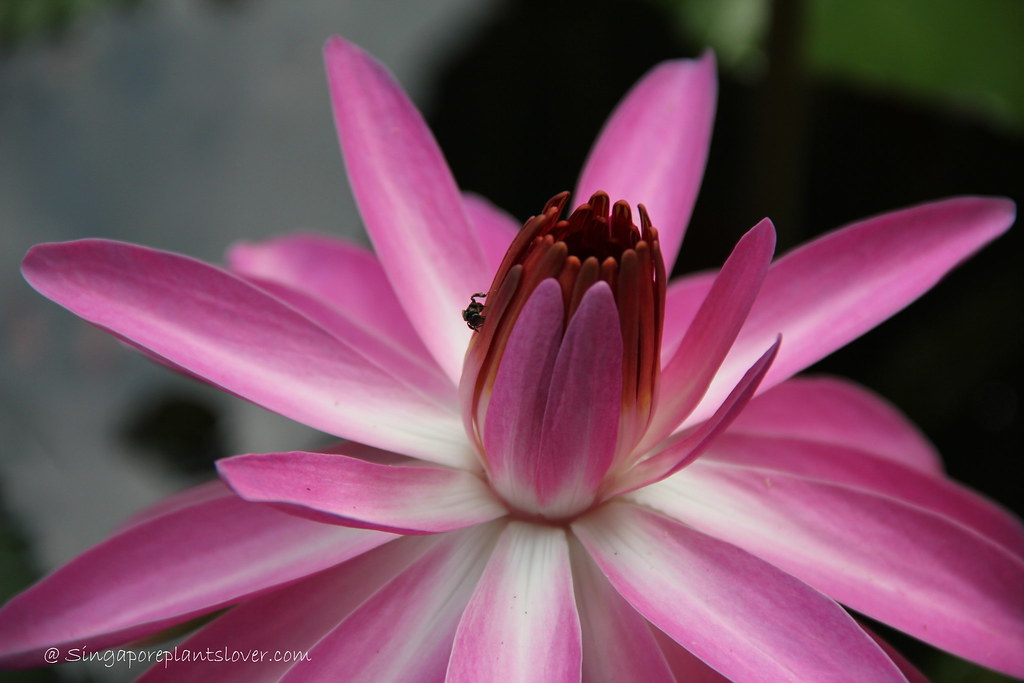
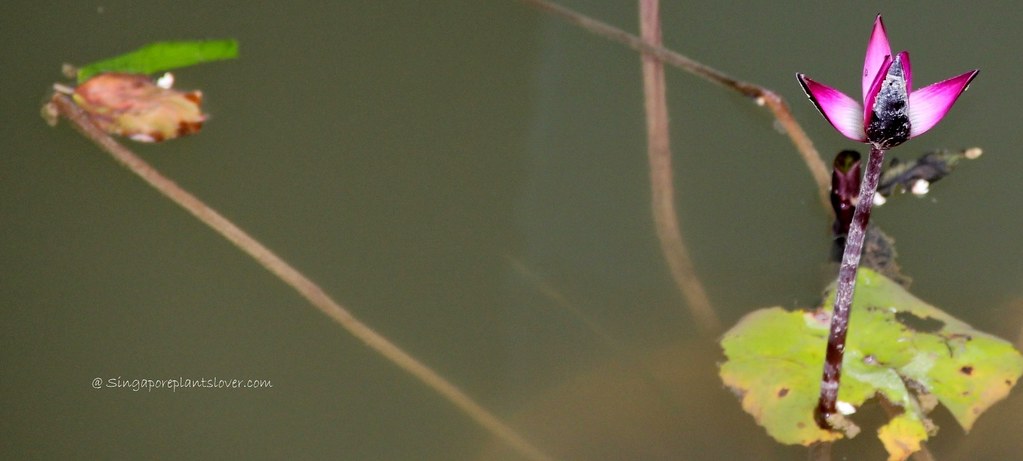
Lotus is a name also applied to various other plants and plant groups, including the unrelated genus Lotus. I will share my collection of lotus flowers and water lilies (which I always thought they are the same kind in the past) flowers in this post.

Nelumbo nucifera, also known as Indian lotus, sacred lotus, bean of India, or simply lotus.

Nelumbo is a genus of aquatic plants with large, showy flowers. Members are commonly called lotus, though "lotus" is a name also applied to various other plants and plant groups, including the unrelated genus Lotus. Members outwardly resemble those in the family Nymphaeaceae (water lilies), but Nelumbo is actually very distant to Nymphaeaceae.
There are only two known living species in the genus. The sacred lotus (N. nucifera) is native to Asia, and is the better known of the two. It is commonly cultivated, and also used in Chinese medicine and cooking. This species is the national flower of India and Vietnam. The American lotus (N. lutea) is native to North America and the Caribbean.---wikipedia
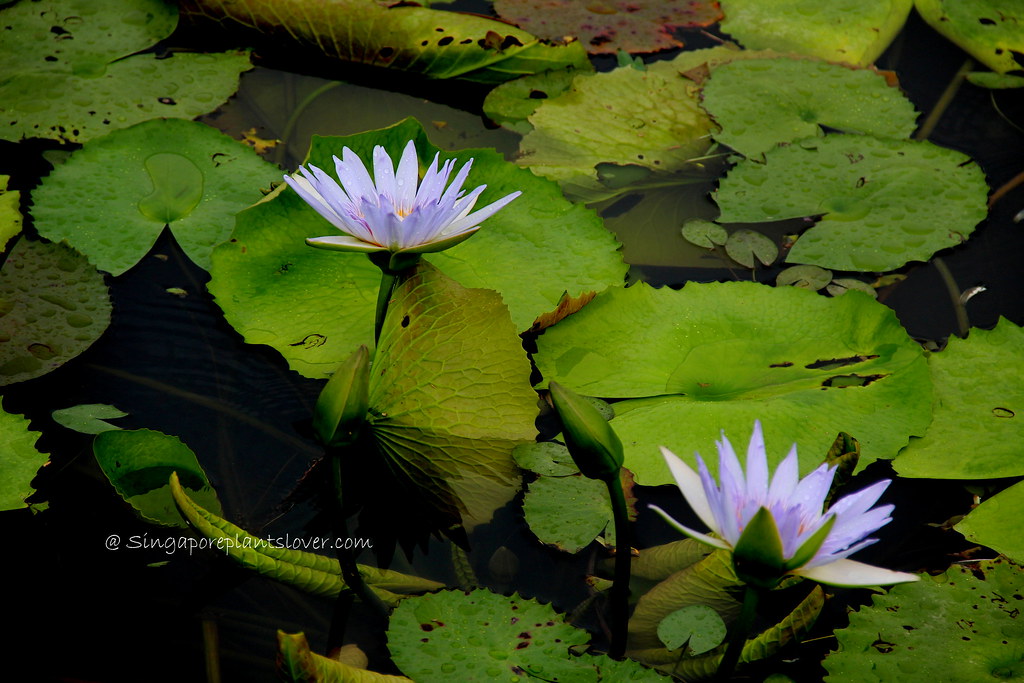
Nymphaea, Members of this family are commonly called water lilies, many species are cultivated as ornamental plants, they are known commonly as water-lilies, also styled water lilies and waterlilies.
Nymphaea caerulea, known primarily as blue lotus (or blue Egyptian lotus),
but also blue water lily (or blue Egyptian water lily)

Nymphaea nouchali, common names blue lotus, star lotus, water lily, blue star water lily etc, in blue, red and white colour...It is native to southern and eastern parts of Asia, this species is sometimes considered to include the blue Egyptian lotus Nymphaea caerulea.
Nymphaea lotus, the white Egyptian lotus, tiger lotus, white lotus
or Egyptian white water-lily
Nymphaea alba, also known as the European white waterlily, white lotus, white water rose or nenuphar, is an aquatic flowering plant of the family Nymphaeaceae.
Saturday, September 12, 2015
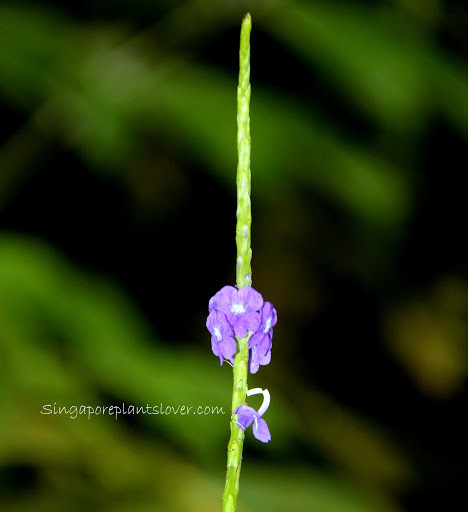
Purple Snakeweed
Country of Origin : South America
English Common Name : Snakeweed, Purple Snakeweed, Blue Porter Weed, Pink Snakeweed
Many species of butterflies are attracted to the flowers of the Snakeweed. For more about the butterflies attracted to this plant, you may want to read this blog here.
Friday, September 11, 2015
Rainforest Tree: Dillenia Alata
Dillenia alata, commonly known as red beech or golden guinea tree, is a rainforest tree found in northern Australia, New Guinea and nearby islands. It is a medium-sized tree with reddish-brown papery bark. The leaves are 11–23 mm long and 6–13 mm wide and connected to the stem by a stem-clasping winged petiole. The five-petalled yellow flowers have a cluster of pink or red styles, anthers and staminoides at the centre.
Thursday, August 20, 2015
Sunday, July 19, 2015
Sunday, July 5, 2015
Sunday, June 14, 2015
Today's Flowers: Trumpet Vine
非洲凌霄 Podranea ricasoliana, of Bignoniaceae family, an English common name pink trumpet vine
known of its trumpet shaped flowers.
It is a vigorous, evergreen scrambler with glossy compound leaves. The beautiful trumpet shaped flowers are pale pink with carmine stripes and yellowish shading in the throat. Flowering time is summer and autumn. The fruit is a bean-like capsule containing winged seeds. Pink trumpet vine grows best in a sunny position, but will tolerate light shade. It needs a well drained soil and a strong support if it is to be grown as a climber. It has low water needs once established. It looks good grown over fences, very free flowering, virtually pest and disease free and drought resistant.

It is a vigorous, evergreen scrambler with glossy compound leaves. The beautiful trumpet shaped flowers are pale pink with carmine stripes and yellowish shading in the throat. Flowering time is summer and autumn. The fruit is a bean-like capsule containing winged seeds. Pink trumpet vine grows best in a sunny position, but will tolerate light shade. It needs a well drained soil and a strong support if it is to be grown as a climber. It has low water needs once established. It looks good grown over fences, very free flowering, virtually pest and disease free and drought resistant.
Some of other photos from my friend's, taken under the day light

Sunday, June 7, 2015
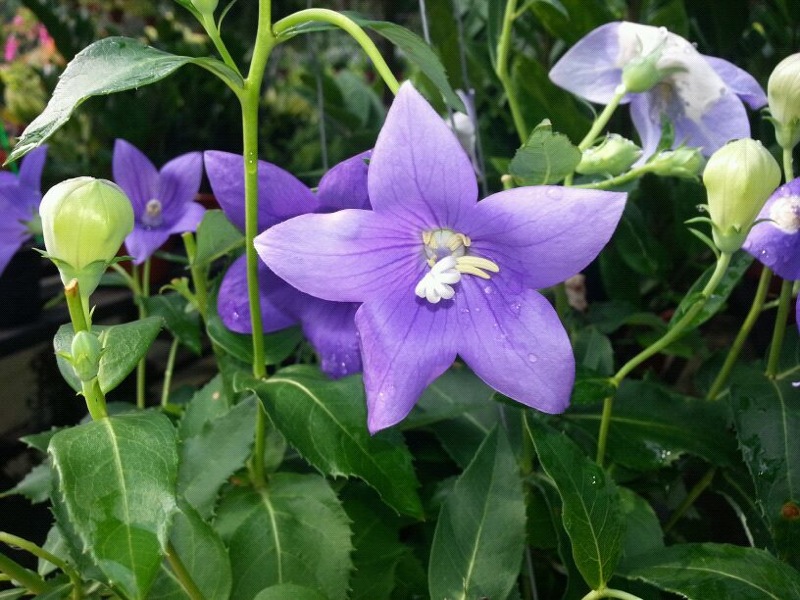
Today's Flowers: Bellflower
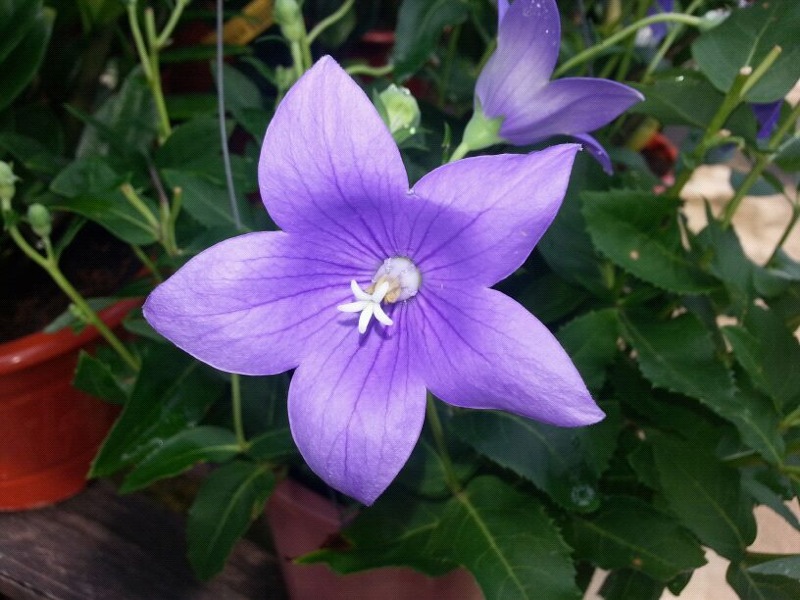
Campanula is one of several genera in the family Campanulaceae with the common name bellflower. Hinting its bell-shaped flowers—campanula is Latin for "little bell".
The genus includes over 500 species and several subspecies, distributed across the temperate and subtropical regions of the Northern Hemisphere, with the highest diversity in the Mediterranean region east to the Caucasus. The range also extends into mountains in tropical regions of Asia and Africa.
The species include annual, biennial and perennial plants, and vary in habit from dwarf arctic and alpine species under 5 cm high, to large temperate grassland and woodland species growing to 2 metres (6 ft 7 in) tall.
The leaves are alternate and often vary in shape on a single plant, with larger, broader leaves at the base of the stem and smaller, narrower leaves higher up; the leaf margin may be either entire or serrated (sometimes both on the same plant). Many species contain white latex in the leaves and stems. The flowers are produced in panicles (sometimes solitary), and have a five-lobed corolla, typically large (2–5 cm or more long), mostly blue to purple, sometimes white or pink. Below the corolla, 5 leaf-like sepals form the calyx. Some species have a small additional leaf-like growth termed an "appendage" between each sepal, and the presence or absence, relative size, and attitude of the appendage is often used to distinguish between closely related species.
Sunday, May 31, 2015
Subscribe to:
Posts (Atom)